
When was the last time you danced simply because it felt good?
Not for exercise or to reach a fitness goal, but because you loved the music and wanted to move. Maybe it was at a festival, a concert or a night out with friends.
There's something wonderful about being surrounded by people enjoying the same music, where the usual expectations of everyday life seem a little less important.
For many adults, these experiences remain meaningful well beyond their twenties. Research from the University of Leeds offers an interesting look at why women over 40 continue participating in electronic dance music culture and how those experiences relate to their well-being.
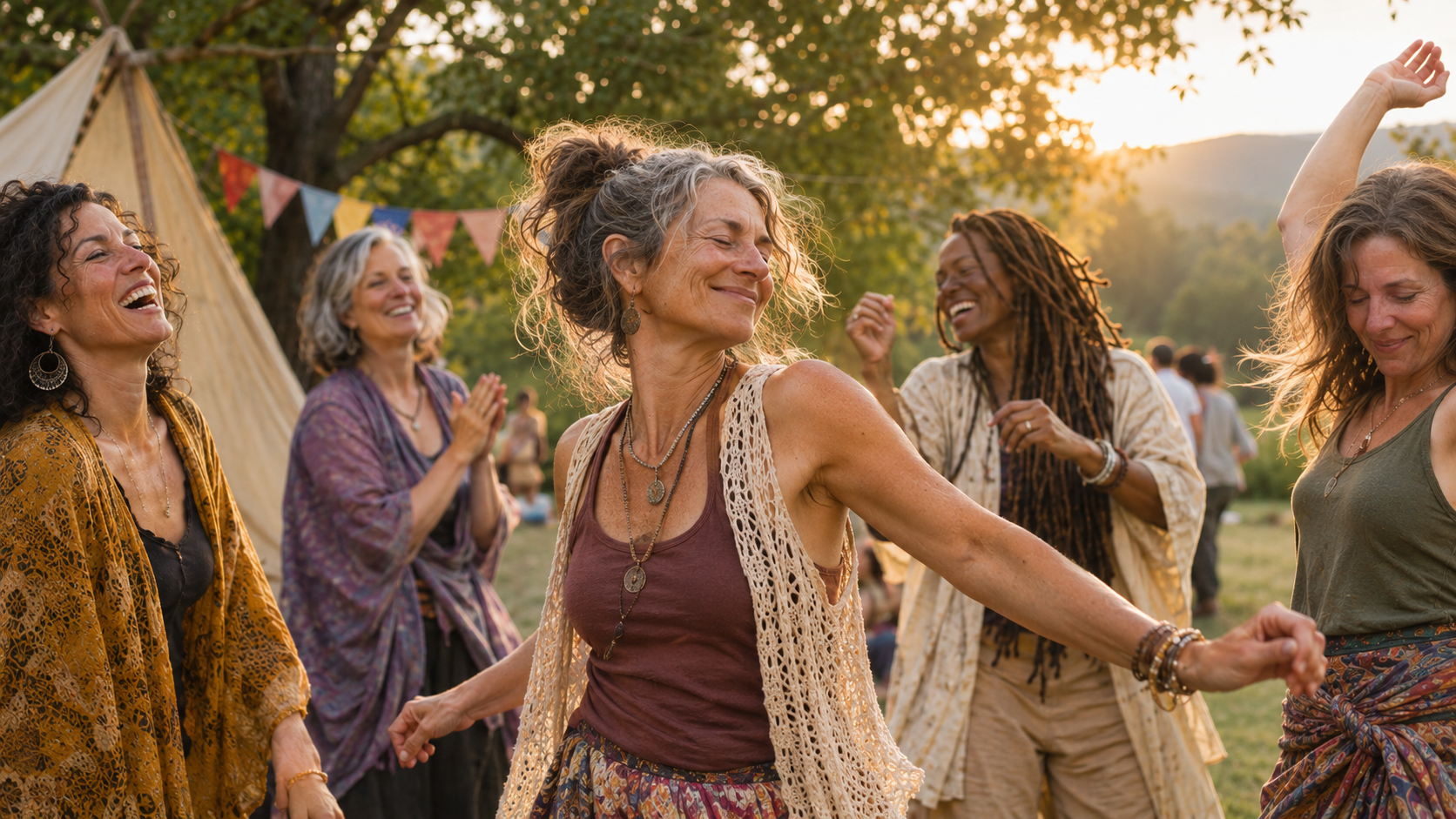
How Dancing Benefits Mental Health and Well-Being
Researchers surveyed 136 women over the age of 40 who attended electronic dance music (EDM) events.
91% of participants reported that clubbing contributed positively to their well-being. Their main motivations for attending were the music, friendships and a sense of community.
Participants described dancing as an opportunity to release stress, remain physically active and enjoy meaningful social connections. Some even described their experiences as therapeutic.
The findings also revealed something interesting about age and social expectations. Although relatively few participants reported receiving negative comments about their age, 21% felt they shouldn't be participating in electronic dance music culture because they were getting older.
That raises a worthwhile question. Why do we sometimes feel that activities that bring us enjoyment and connection become less appropriate as we age?
The study involved a relatively small group of women already participating in EDM culture, and the findings were based on their reported experiences. We can't conclude that clubbing improves mental health for everyone. What the research does offer is a perspective on how music, friendship and community can contribute to people's sense of well-being.
Why Do We Expect People to Outgrow Dancing?
There are plenty of things we naturally reconsider as we get older. Our responsibilities change, our energy levels may be different and staying out until three in the morning can require a little more recovery time than it once did.
But enjoying music and dancing doesn't necessarily become less meaningful.
For women in particular, there can be social expectations around what is considered appropriate at different stages of life. Activities associated with youth may begin to feel off-limits, even when the desire to participate hasn't changed.
The University of Leeds research explored some of these experiences. Participants described concerns about unwanted attention, feeling conspicuous and navigating environments that weren't always welcoming to older women.
These concerns deserve attention because participation isn't simply a matter of personal confidence. The environments themselves also influence whether people feel comfortable and included.
I find it interesting that we often encourage people to remain physically active and socially connected as they age, yet sometimes question their participation in activities that offer opportunities for both.
Perhaps the more useful conversation isn't about whether someone is too old for a particular experience, but whether that experience continues to bring something meaningful into their life.
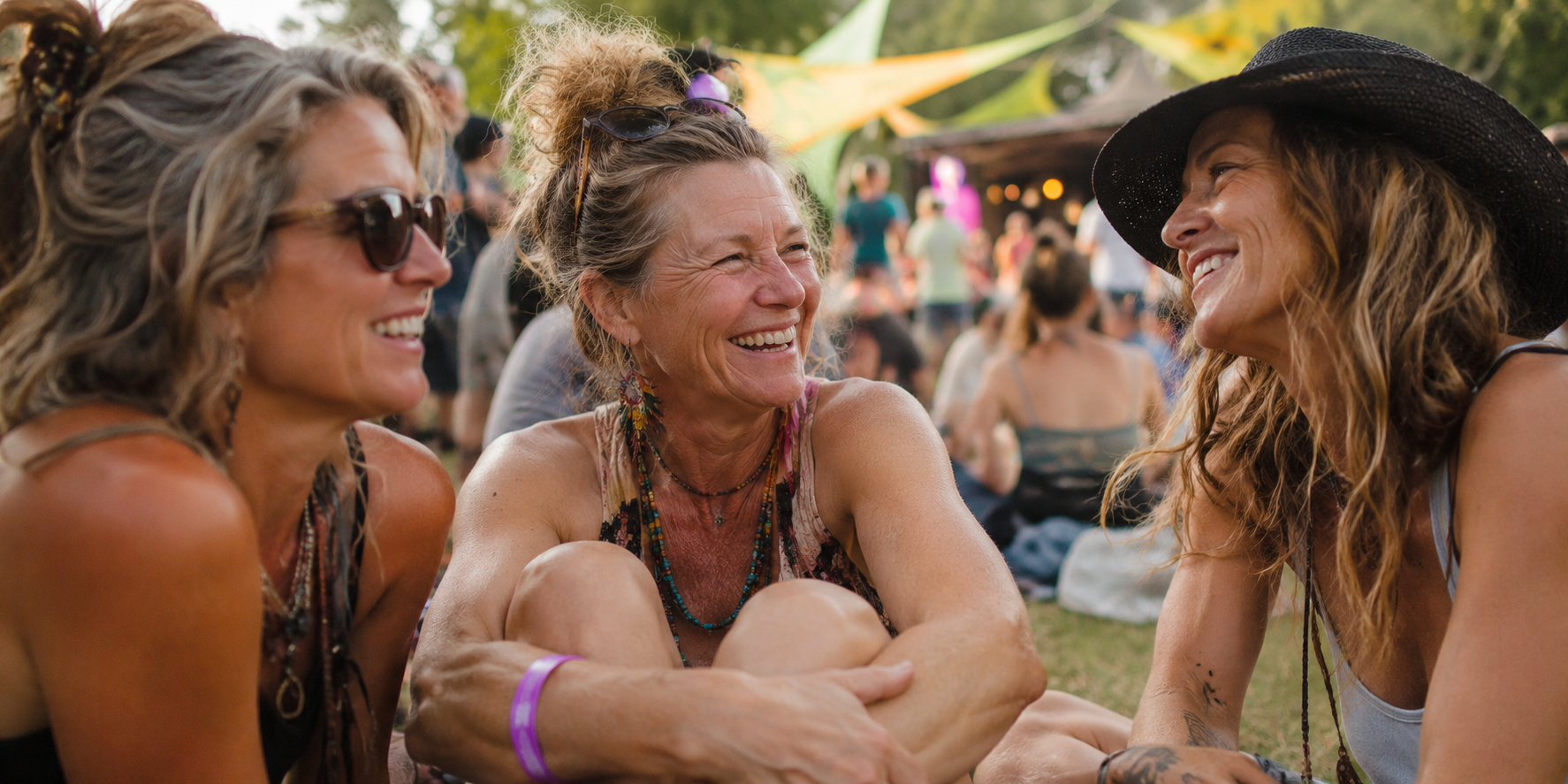
The Value of Music, Friendship and Community
One of the things that stood out to me in the research was the importance participants placed on friendship and belonging.
We often think about dancing primarily as physical activity, but social experiences can become just as meaningful as the movement itself. Music provides a shared interest around which friendships develop, and attending events can offer a regular opportunity to reconnect.
I see the importance of community through my own experience as a Trip Sitter within Sanctuary at Shambhala Music Festival.
I'm an extrovert who genuinely enjoys working with people, particularly in large groups. One of my favourite parts of returning to Shambhala is reconnecting with the volunteers who make Sanctuary possible.
We arrive early to prepare the space, and there's plenty of dusty, physical work involved. But there are also familiar faces, long-overdue hugs and friendships that have continued to grow over the years.
Those relationships have become a meaningful part of the experience for me.
The women involved in the Leeds research described similar appreciation for the social side of electronic dance music culture. For some, attending events wasn't simply an occasional night out. It was an ongoing connection to friendships, shared interests and a community they valued.
As we move through adulthood, opportunities for these kinds of connections can become more difficult to maintain. Careers, family responsibilities, changing relationships and other demands compete for our time.
Making space for activities that bring people together can therefore serve a purpose beyond entertainment.
Dancing, Self-Expression and Well-Being
Another interesting aspect of dance culture is the opportunity for self-expression.
Dancing allows people to engage with music physically, without needing to explain themselves through conversation. There can be enjoyment in moving spontaneously, exploring creativity and being part of something shared.
Of course, not everyone experiences dancing or crowded music events positively. Personal preferences, physical needs, safety and the environment all influence how comfortable someone feels.
But when people find activities and communities where they feel welcome, those experiences can become important parts of their lives.
Through my work in counselling, I often encourage people to explore well-being from a broader perspective. Understanding symptoms and difficulties matters, but so does recognizing the experiences that support connection, enjoyment and personal growth.
Sometimes we become so focused on managing what isn't working in our lives that we overlook what already brings us joy.
Exploring Connection and Personal Growth
My experience supporting people through festival harm reduction has reinforced my appreciation for the relationships and experiences that shape our sense of well-being.
At Kelly Stone Therapy, I offer counselling and support for people exploring identity, emotional well-being, personal growth and meaningful life experiences, including psychedelic and post-festival integration.
For more on the transition from festival life back into everyday routines, you may also enjoy reading Post-Festival Blues: Why Coming Home Can Feel So Hard.
Research & References
Greasley, A., O'Grady, A., & Stapleton, S. E. (2025). Age is just a number: Persistent participation in electronic dance music by women over 40. Psychology of Music.University of Leeds. Clubbing boosts wellbeing for women in midlife.