
When You Know You're Safe, But Your Body Doesn't Believe You
Have you ever found yourself reacting to something that didn't seem to match the situation?
Maybe someone raised their voice slightly, and your heart started racing. Perhaps you received a simple text message and immediately assumed something was wrong. You might avoid certain conversations, struggle to relax, or feel constantly on edge, even when life is relatively calm.
If you've ever wondered, "Why am I reacting like this?" you're not alone.
For many people, the answer isn't a lack of self-awareness or willpower. It's that the nervous system has learned to stay in protection mode, even when the danger has passed.
Your Body Remembers What Your Mind Has Already Moved Past
Trauma isn't always stored as a clear memory. Sometimes it's stored as a pattern.
Long after a difficult experience is over, your nervous system may continue responding as though it needs to protect you. It can become highly sensitive to situations that resemble past experiences, even if they aren't actually threatening.
You may logically know you're safe, yet your body reacts as though you're not.
This can leave people feeling frustrated and confused. They understand why they react the way they do, yet the reactions keep happening. Insight alone doesn't always change the way the nervous system responds.
When Understanding Isn't Enough
Many people come to counselling after reading books, listening to podcasts, or spending years trying to understand themselves. They can often explain where their anxiety, fear, or relationship patterns began.
That understanding is valuable, but healing doesn't always happen through insight alone.
When the nervous system has learned to expect danger, simply telling yourself you're safe doesn't always create the feeling of safety. The body often needs an opportunity to experience something different before those protective patterns begin to soften.
This is one of the reasons body-based approaches have become an important part of trauma therapy. They work alongside traditional talk therapy by supporting nervous system regulation, rather than focusing only on thoughts and memories.

A Different Approach to Healing
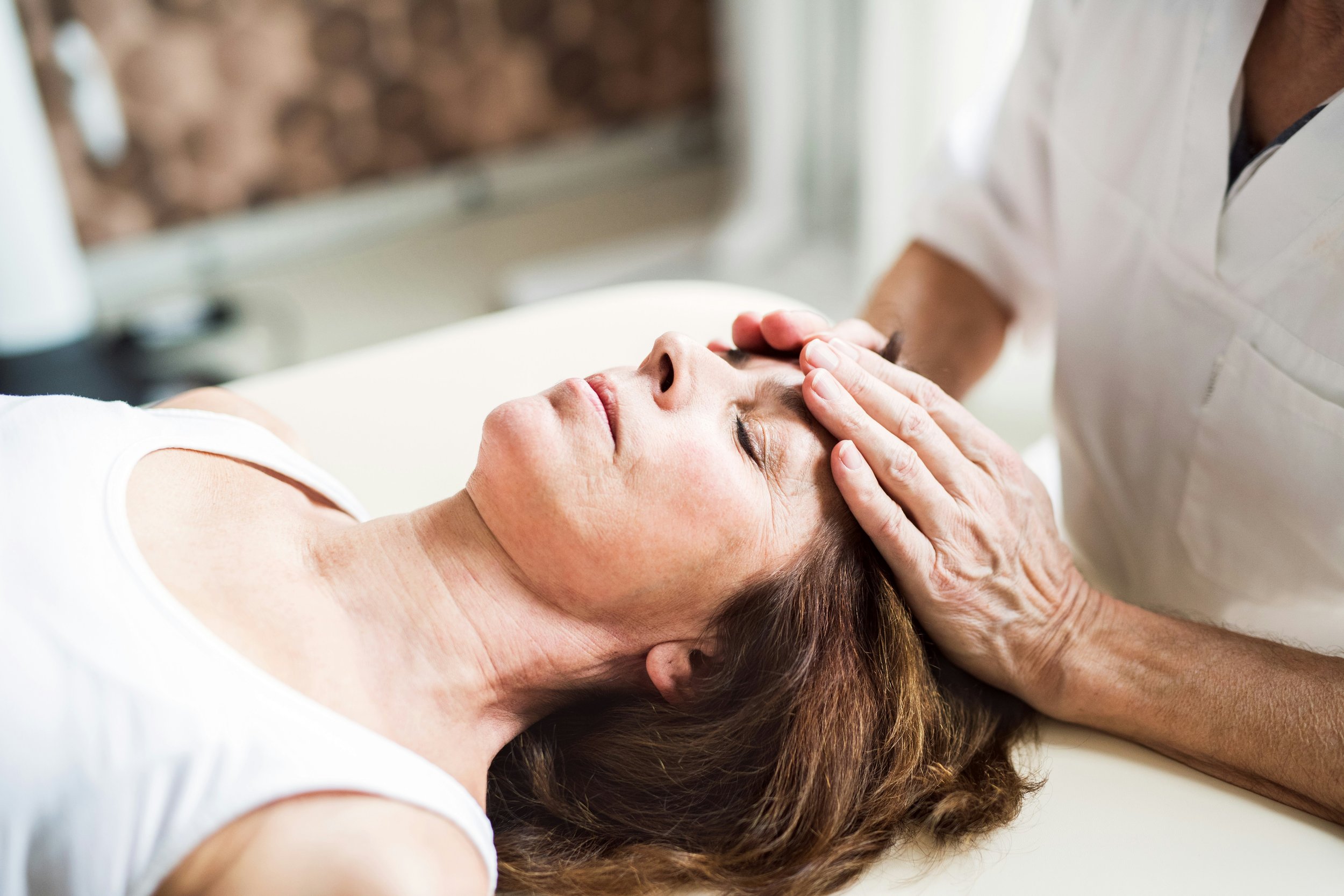
Transforming Touch® is a gentle, body-based approach that supports nervous system regulation through light touch or, when meeting online, guided self-touch. Developed specifically to address the effects of developmental trauma, it works with the body's natural capacity to experience safety, connection, and regulation.
Sessions are fully clothed, and there is no need to revisit painful memories or talk through every difficult experience. Instead, the focus is on creating the conditions for your nervous system to gradually experience a greater sense of stability and calm.
For many people, this becomes a valuable complement to traditional counselling, particularly when they feel stuck despite understanding their story.
Healing Happens in the Mind and the Body
Trauma can affect the way we think, but it also affects the way we experience the world through our bodies. That's why healing often involves more than gaining insight. It also involves helping the nervous system recognize that the present is different from the past.
As your nervous system becomes more regulated, many people notice changes that extend beyond counselling. They may feel calmer in everyday situations, recover more quickly from stress, experience greater emotional balance, and find it easier to connect with themselves and others.
Healing isn't about becoming a different person. It's about helping your body recognize the safety that your mind may already know is there.
If you're curious about whether Transforming Touch® could be a good fit for your healing journey, Kelly offers a compassionate, trauma-informed space to explore this gentle approach in person or online. As a certified Transforming Touch® practitioner, she has completed specialized training in this developmental trauma modality and integrates it thoughtfully alongside counselling to support nervous system regulation and lasting healing.